What is Enamel Hypoplasia?
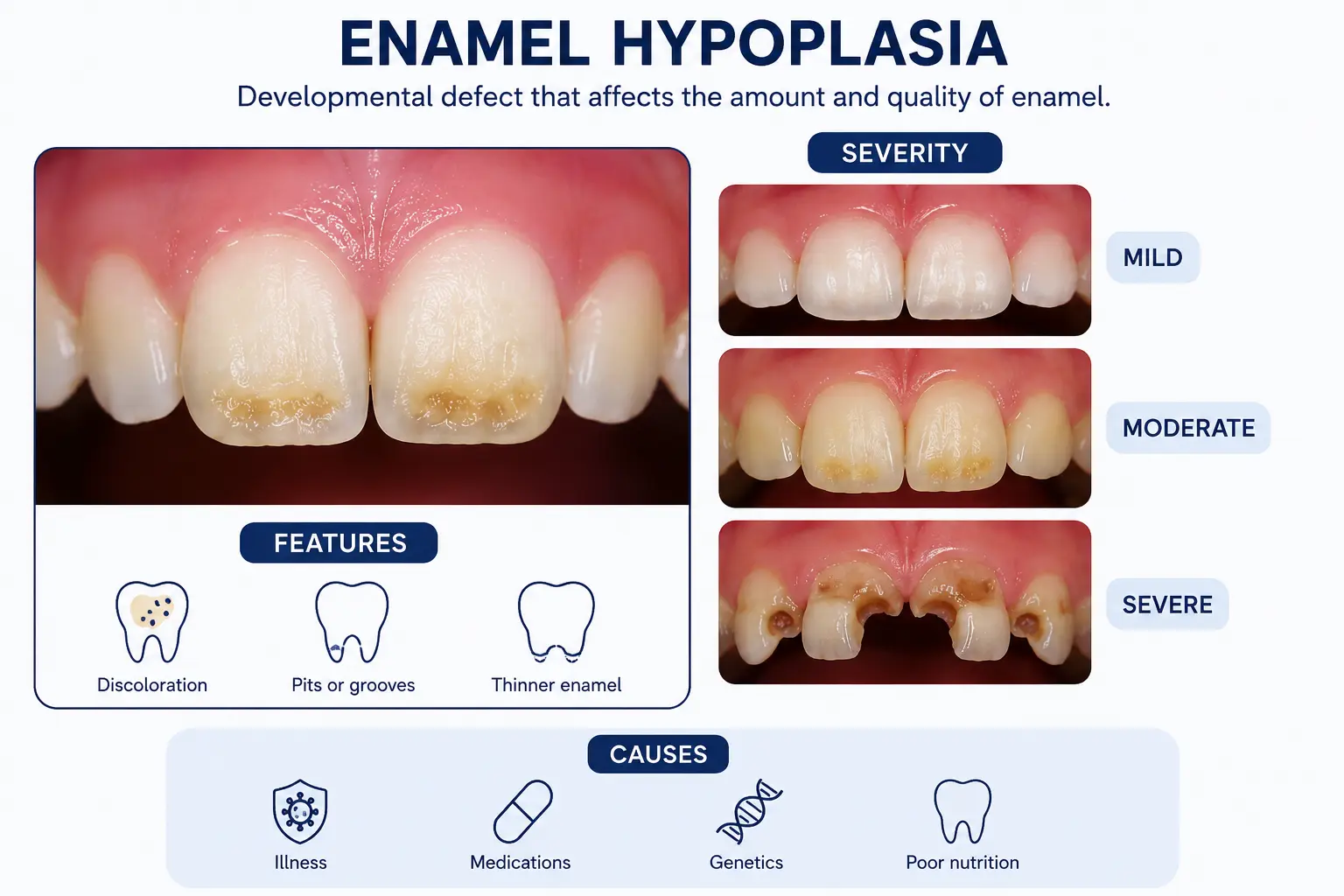
Enamel hypoplasia is a dental condition where the enamel (the hard outer layer of the tooth) does not develop properly, resulting in areas of thin or missing enamel. It is commonly confused with enamel hypomineralisation, however the two conditions are different.
- Enamel hypoplasia means there is not enough quantity of enamel present on the tooth.
- Enamel hypomineralisation means the enamel is present but is softer or of poor quality.
Enamel hypoplasia can affect baby teeth or adult teeth and may involve a single tooth or multiple teeth.
What Causes Enamel Hypoplasia?
There is no single known cause of enamel hypoplasia. The condition develops while the teeth are forming and may occur due to a range of factors affecting tooth development. It can affect just one tooth or a group of teeth that develop at the same time.
Possible causes and risk factors include:
- Trauma or injury to a developing tooth
- Infection in a baby tooth affecting the developing adult tooth underneath
- Maternal health factors during pregnancy, such as gestational diabetes
- Premature birth or low birth weight
- Certain medications taken during tooth development
- Childhood illness or high fevers during tooth formation
- Genetic conditions such as Amelogenesis Imperfecta
Symptoms of Enamel Hypoplasia
Enamel hypoplasia is usually diagnosed based on the appearance of the teeth. Symptoms can vary from mild to severe depending on the amount of enamel affected.
Common signs include:
- Thin or missing enamel
- Rough, uneven or pitted tooth surfaces
- White, yellow or brown discolouration
- Teeth that appear chipped or poorly formed
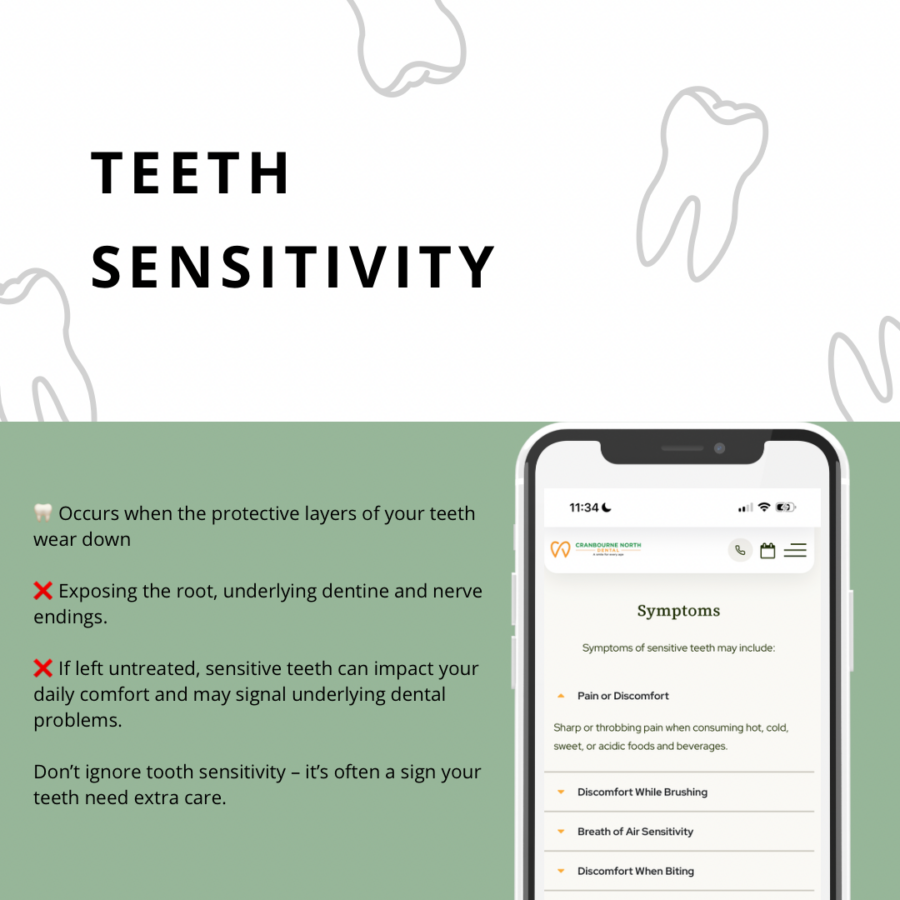
- Increased tooth sensitivity
- Higher risk of tooth decay and cavities
- Teeth that are more prone to wear and breakage
The most commonly affected adult teeth are the front teeth (central incisors, canines) and first molars. In baby teeth, the most commonly affected teeth are the 2nd primary molars.
Treatment for Enamel Hypoplasia
There is no cure for enamel hypoplasia, as the enamel did not form correctly during tooth development. Treatment focuses on protecting the teeth, improving appearance and reducing sensitivity or decay risk.
Depending on the severity, treatment options may include:
- Dental fillings
- Preventative sealants
- Composite veneers
- Ceramic Veneers
- Dental crowns
- Smoothing rough areas of enamel
- Fluoride treatments to help strengthen teeth
In mild cases, treatment may not be necessary other than regular monitoring and preventative care.
Preventing Further Damage
Although enamel hypoplasia itself cannot be prevented once the tooth has formed, maintaining excellent oral hygiene is essential to protect the affected teeth.
We recommend:
- Brushing twice daily with fluoride toothpaste
- Flossing every night
- Attending regular dental check-ups and cleans
- Limiting sugary foods and drinks
- Maintaining a healthy, balanced diet
Early diagnosis and ongoing dental care can help reduce the risk of tooth decay, sensitivity and enamel breakdown.
Contact Cranbourne North Dental to learn more about enamel hypoplasia.
Call Us or Book Online Now
Frequently Asked Questions For General Anaesthetic (Dental)

Can enamel hypoplasia be reversed?
No. Enamel hypoplasia cannot be reversed because the tooth developed with reduced enamel. However, dental treatment can help protect and restore the affected teeth.
Does enamel hypoplasia affect adult teeth?
Yes. Enamel hypoplasia commonly affects adult teeth, particularly the central incisors, canines and first molars.
How common is enamel hypoplasia?
The prevalence of enamel hypoplasia varies between populations and studies. Factors such as general health, nutrition and socioeconomic conditions can influence rates. Research suggests it may affect around 12% of people to varying degrees.
Is enamel hypoplasia painful?
Some people experience tooth sensitivity or discomfort, especially when eating hot, cold or sweet foods. Teeth with reduced enamel are also more vulnerable to wear and decay.
Can children develop enamel hypoplasia?
Yes. Enamel hypoplasia can affect both baby teeth and adult teeth developing in children.