Do I Really Need to Floss? A Cranbourne North Dentist Explains
Every dentist you’ve ever seen has told you to floss. But is flossing really that important, or is it just something dentists like to nag about? At Cranbourne North Dental, we get asked this question all the time, so here’s the honest answer: yes, flossing (or cleaning between your teeth another way) makes a real difference to your oral health.
Why should I floss?
When you eat, food gets stuck between your teeth. Even with excellent brushing technique, toothbrush bristles can’t reach properly into the tight spaces between teeth or just under the gumline.
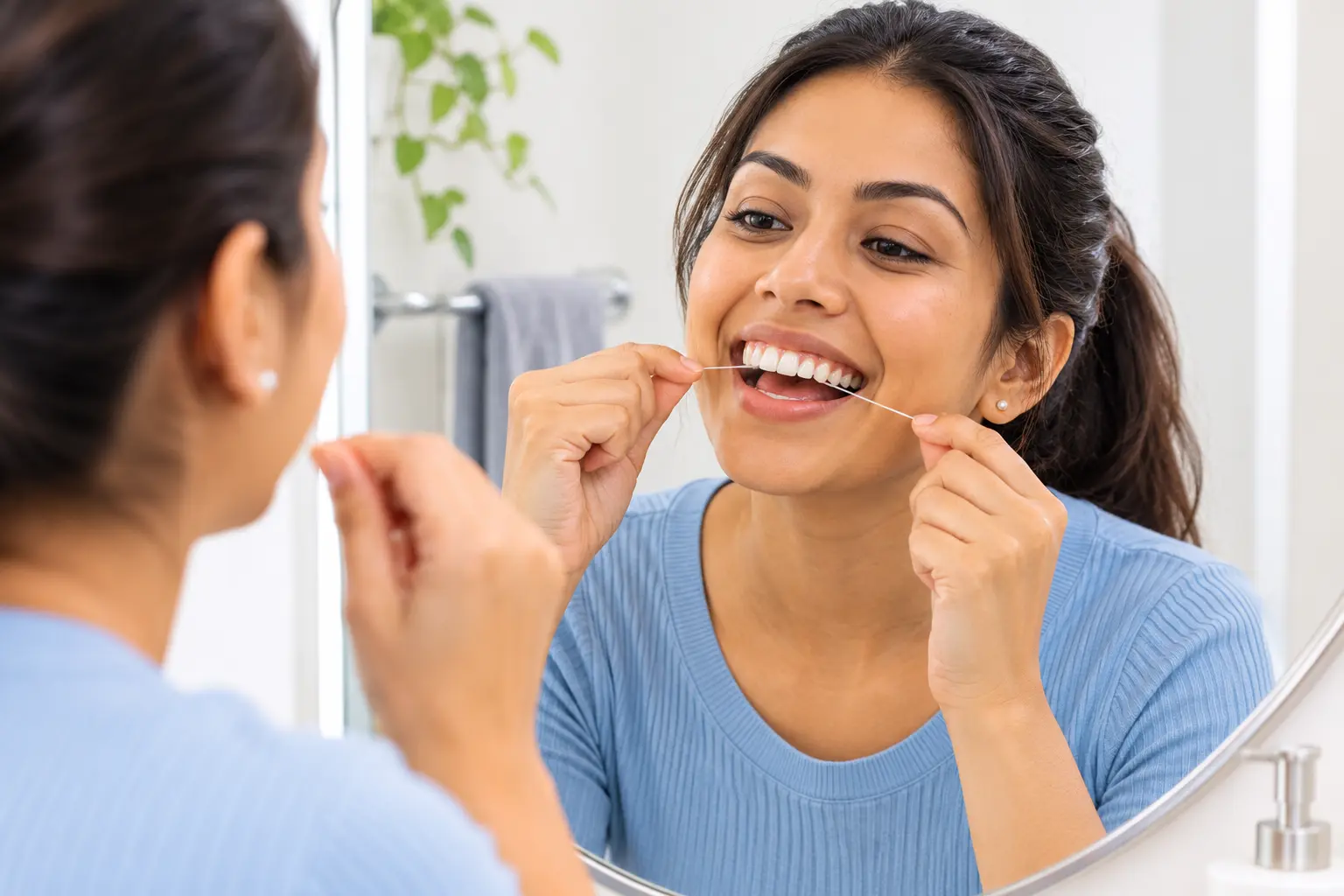
Flossing removes the food debris and plaque that brushing misses. Keeping these areas clean helps you:
- Reduce gum inflammation and bleeding
- Lower your risk of gum disease
- Lower your risk of cavities between your teeth
- Keep your breath fresher
How to floss properly
You can’t really overdo flossing, but most people underdo it. Aim to clean between your teeth at least once a day. Night-time is ideal, because saliva flow drops while you sleep, so going to bed with clean teeth gives bacteria less to feed on.
If daily flossing feels like a big jump, start with a few times a week. Even that makes a noticeable difference to your gum health.
Should I floss before or after brushing?

The most important thing is that you floss at all! If you want to be particular, floss before you brush. That way you dislodge food and plaque first, then brushing clears it away and leaves fluoride toothpaste on your teeth.
After brushing, spit out the excess toothpaste but don’t rinse with water. Leaving a thin layer of fluoride on your teeth helps protect them from decay.
What are the alternatives to flossing?
Floss isn’t the only option. Depending on your teeth and gums, your dentist may recommend one of these instead of, or as well as, regular floss.
Interdental brushes
If the gaps between your teeth are larger than normal, floss may not clean them thoroughly. An interdental brush is often the better choice. Use the largest size that fits comfortably in each gap, once a day, before brushing.
Water flossers
A water flosser is a popular modern option and is especially helpful for people with braces, implants or limited hand dexterity. For most people it works best as an addition to floss or interdental brushes rather than a replacement.
Superfloss
Superfloss has a stiff threader end that lets you clean under dental bridges, around braces, or between teeth that are joined together.
What about toothpicks?
We don’t recommend them for cleaning between teeth. Wooden toothpicks aren’t shaped to clean the tooth surface properly and can damage your gums.
Is brushing or flossing more important?
Asking us to choose is like asking us to pick a favourite child! Both are important and they work best together. If we had to choose, brushing edges ahead, because it also delivers fluoride toothpaste to protect your teeth from decay.
Not sure whether floss, interdental brushes or a water flosser is right for you? Our friendly team at Cranbourne North Dental can show you the best way to clean between your teeth and check your gums at your next visit. Book your check-up and clean online or call us today.
Frequently Asked Questions For General Anaesthetic (Dental)
Does flossing cause gaps between my teeth?
No. Flossing doesn’t create gaps. Those spaces were already there but were filled with food and plaque, so you didn’t notice them. When flossing clears them out, the gaps become visible. In fact, not cleaning between your teeth makes gum disease and gum recession more likely, which can lead to bigger gaps over time.
Is it normal for my gums to bleed when I floss?
Some bleeding is common when you first start flossing, and it’s usually a sign of gum inflammation. With gentle daily flossing it typically settles within one to two weeks. If bleeding continues beyond that, book a check-up so we can examine your gums.
What type of floss should I use?
The two main types are waxed and unwaxed floss. Waxed floss slides more easily between tight teeth and is less likely to shred. Unwaxed floss is thinner and some people find it grips plaque well. Both work well when used properly, so choose the one you find easiest to use every day.
Are floss picks OK to use?
Yes. Floss picks don’t give you quite the same control to wrap around each tooth and under the gum, but they’re a convenient, easy alternative. The best cleaning tool is the one you’ll actually use consistently.
Can my dentist in Cranbourne North show me how to floss?
Absolutely. At your check-up and clean, our team can demonstrate the right technique and recommend floss, interdental brushes or a water flosser to suit your teeth.