General Anaesthetic at Cranbourne North Dental
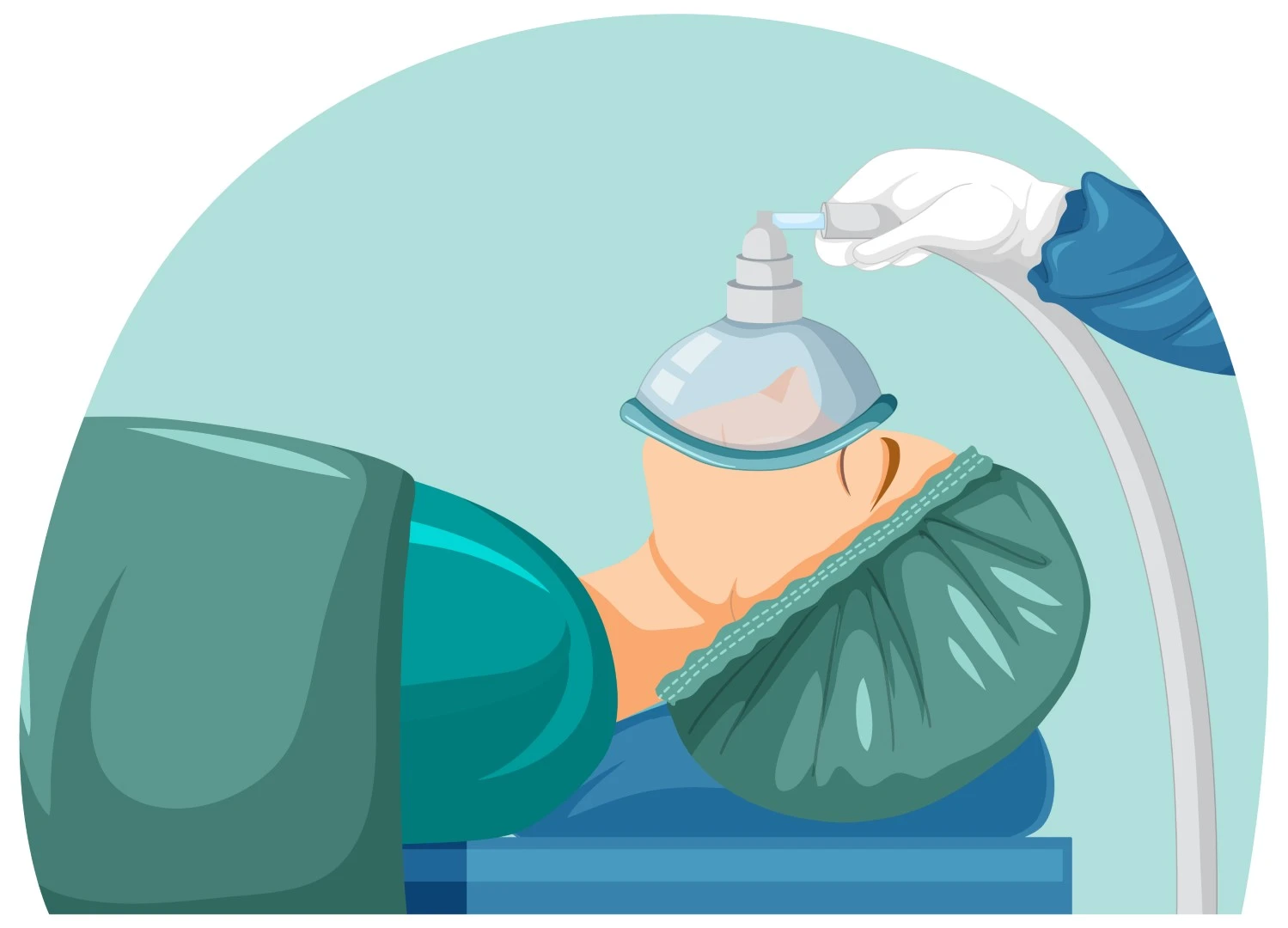
General anaesthetic for dental treatment allows you to be completely asleep during your procedure, either in a clinic or hospital setting. Unlike IV sedation (Sleep Dentistry), a general anaesthetic places you in a deep state of unconsciousness and requires breathing assistance throughout the procedure.
At Cranbourne North Dental, general anaesthetic is used only when clinically necessary or when it provides the safest and most comfortable option for complex dental treatment.
Why might I need a General Anaesthetic for dental treatment?
Most dental procedures can be completed comfortably using local anaesthetic or IV sedation. However, a general anaesthetic may be recommended in certain situations to ensure your safety, comfort and treatment success.
Common reasons for general anaesthetic in dentistry include:
Young children or special needs patients who are unable to cooperate for treatment (likely requiring referral to a dental specialist for management)
Severe dental anxiety or dental phobia
A strong gag reflex that prevents safe treatment
Complex dental surgery such as trauma cases, jaw fractures, bone grafting or advanced implant surgery
Medical conditions that require treatment to be performed in a hospital setting
Surgical removal of impacted wisdom teeth close to the jaw nerve
The process for dental treatment under General Anaesthetic
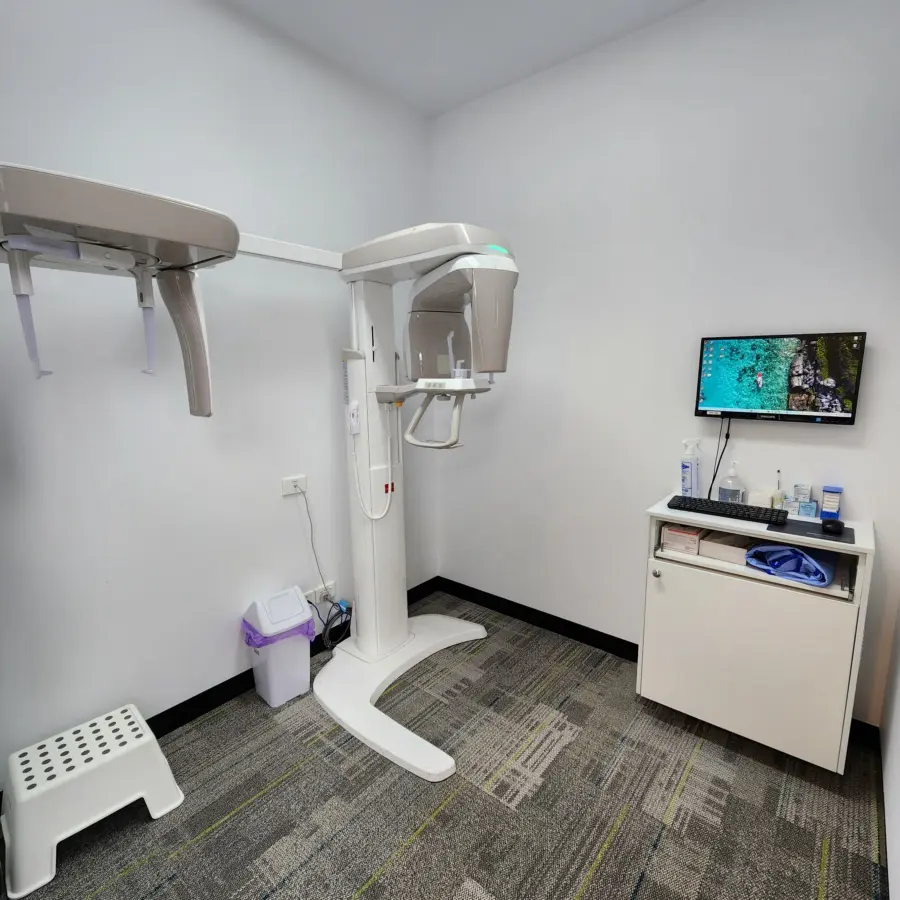
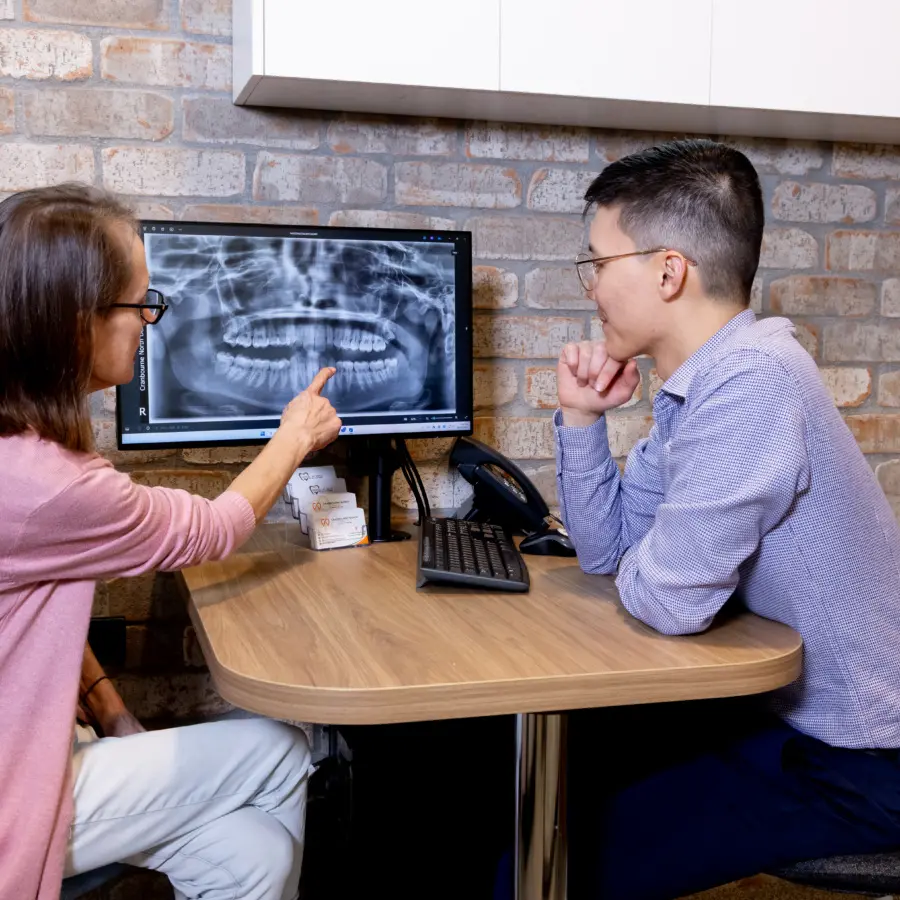
If you believe you may need a general anaesthetic for your dental treatment, the first step is a comprehensive dental examination, including X-rays and a personalised treatment plan.
Your dentist will carefully assess your dental needs, medical history and comfort level before discussing all available options — including local anaesthetic, IV sedation or general anaesthetic. This ensures the most appropriate and safest approach for your individual situation.
If a general anaesthetic is recommended, we will arrange a consultation with an experienced specialist anaesthetist. They will review your medical history, assess your suitability and explain the process in detail.
Once all assessments are complete, your treatment will be scheduled at either our clinic or a hospital or accredited day surgery facility.
What is the cost of a General Anaesthetic for dental treatment?
The total cost of dental treatment under general anaesthetic includes several components:
- Dental treatment fees (may be claimable through private health insurance)
- Specialist anaesthetist fees (may be partly claimable through Medicare)
- Facility fees for hospital or day surgery (may be covered by Medicare and/or private health insurance depending on your policy)
Coverage varies based on your level of health insurance, the type of procedure and your individual circumstances. Once your treatment plan and item numbers are confirmed, we can help you obtain accurate quotes and clarify potential rebates.
Because of the specialised facilities, equipment, medications and highly trained team involved, general anaesthetic dental treatment is typically more expensive than treatment under local anaesthetic or IV sedation.
Call Us or Book Online Now
Frequently Asked Questions For General Anaesthetic (Dental)

Do I need a General Anaesthetic for dental implants?
Most dental implant procedures are performed comfortably under local anaesthetic, with little to no pain. A general anaesthetic is usually only recommended for patients with severe anxiety, specific medical conditions, or when extensive bone grafting or complex implant surgery is required.
Are general anaesthetics safe for dental treatment?
Yes. General anaesthetics are routinely used worldwide and are considered very safe when carefully planned. Your medical history will be thoroughly reviewed by a specialist anaesthetist to minimise risks and ensure the safest possible outcome.
How long does it take to recover after a dental general anaesthetic?
Recovery times vary, but most patients are monitored for a few hours after the procedure and can go home the same day. You may feel drowsy, tired or slightly nauseous for the rest of the day and will need a responsible adult to escort you home.
Can I eat or drink before a general anaesthetic?
No. You will be given strict instructions to avoid eating or drinking for several hours before your procedure. This is essential for your safety and to reduce the risk of complications during the anaesthetic.